look up
words in a dictionary and 1 to 1 translation from language A to language B may perhaps meet the fundamental need to express a thought or an to make apt observation. Fine. My previous experience in the U.S., especially in Arkansas, have made clear to me but once again that a dictionary can probably do little more than get at this initial requirement. Why? Well, I've been here for six weeks and I have therefore extensively with the local customs regarding food, explained. And if I would only draw one lesson we can learn, then it can only be the one that I have been lied to all the dictionaries. 'Eating' is not 'eat' is 'food' and certainly not 'to eat'. The following remarks I will send immediately to Langenscheidt and Longman.
first Bread ≠ bread
 |
| bread |
 |
| bread |
second 'Grilling' ≠ 'barbecue'
 |
| barbecue grill |
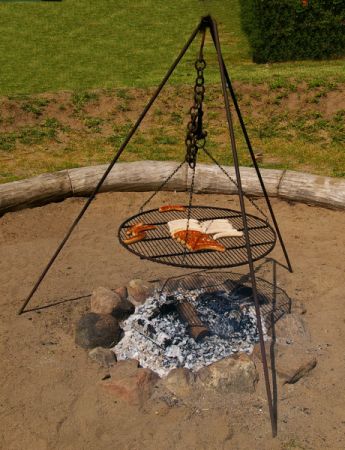 |
why everyone should make a pilgrimage once in his life in the southern states? It's simple: Barbecue is much hotter than a barbecue. Seriously. Anyone who has tasted the great beef burger with barbecue sauce, beans and corn and the whole thing with a warm apple pie (covered, of course) has tried, want to eat anything else. The point goes to the USA!
third 'Cheese' ≠ 'cheese'
 |
| Sprühkäse |
 cheese cheese |
| cheese |
 |
| |
; A great German dinner usually includes a slice brown bread (see above) with cheese: Emmental, Gouda, resins, etc. Americans Cammembert is this diversity of naturally ripened cheese is not necessarily familiar. In most cases they know each other but best with 'cheese'. This in turn means the broad landscape of 'pasteurized' or 'processed cheese' - cheese sandwich. The comfortable Americans must take care not even to unpack the individual slices of cheese - as if it still can pack in a spray can
. 4th 'Candy' ≠ 'candy'
 |
| Zingers |
To make it short: What to understand German sometimes under sweets - oats coins, marble cake, gummy bears - is nice. But compared to the buy here 'candy', it seems as tasty as eating paper. The United States is undoubtedly the Promised Land of Sweets. Everything is possible and can be zusammemgehalten by icing, is also produced. My latest discovery: Zingers! Unspecified small chocolate cake with light cream and dark icing. On a 10 cubic inch compressed meal. Lovely!
 |
| beer |
 |
| beer |
things that mean something to you missing a mostly only when they are not greater. German beer I have admittedly been missing before I left. For nearly 500 years of beer in Germany may only hops, malt and water are prepared. And that's a good thing - you know so what you get. The most famous U.S. beers - Budweiser - hardly worthy of the name, however. The taste is reminiscent of flavored water. The Americans also know that, so we can thankfully every now and no matter how small liquor store a wide selection of imported beer. . After all
be continued


0 comments:
Post a Comment